
MASTERCLASS
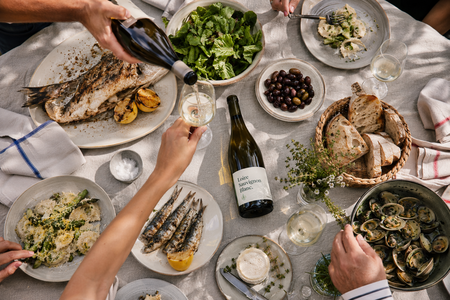
Loire Sauvignon Blanc: The Wine List Essential. If you know, you know.
Time: 1:15pm – 2:00pm
Host: Rebecca Gibb MW
LONDON & MANCHESTER
Loire Sauvignon Blanc has everything today’s UK trade is looking for: freshness, clarity, versatility and real value. Led by Rebecca Gibb MW, this masterclass will explore Sauvignon Blanc from Touraine and other appellations within the InterLoire area, excluding Centre-Loire appellations such as Sancerre and Pouilly-Fumé. Through a focused tasting, participants will discover food-friendly, good-value styles that are easy to understand, easy to sell and highly relevant for independent merchants, sommeliers and the on-trade. A practical session designed to show why Sauvignon Blanc from the Loire Valley deserves a stronger place on contemporary UK wine lists..
MASTERCLASS
Cerasuolo d'Abruzzo: an authentic tradition that never gets old
Time: 2pm - 2:45pm
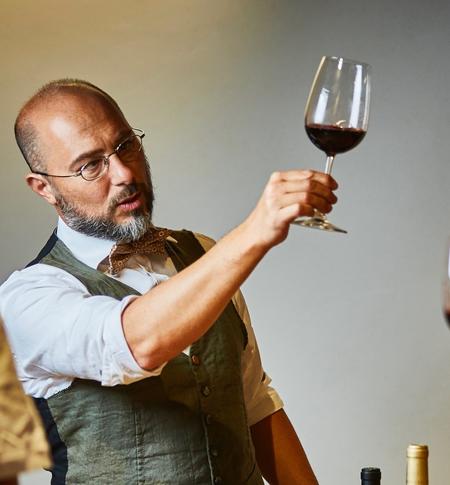
Host: Filippo Bartolotta — Italian correspondent for Decanter and The Drinks Business, and one of Italy's most experienced wine educators.
Cerasuolo isn't a rosé Abruzzo makes because rosé sells. It's what Abruzzo has always drunk: Montepulciano, briefly on its skins, cherry-red rather than pale pink, built for a table with food on it. It became a DOC in its own right only in 2010 — one of Italy's newest denominations, and one of its oldest wines. We taste across producers, styles and a little bottle age, because the thing nobody tells UK buyers is that these wines don't fade after a summer. Then the question worth asking: where does a wine like this actually belong on your list?
MASTERCLASS
Pecorino from Abruzzo, the next big thing
Time: 2pm - 2:45pm
Host: Filippo Bartolotta — Italian correspondent for Decanter and The Drinks Business, and one of Italy's most experienced wine educators.
In 2000 there were 87 hectares of Pecorino left in Italy. Abruzzo alone now has around 1,200 and eighteen million bottles a year. That isn't a trend: it's a grape brought back from the edge in one generation, because growers decided a low-yielding, early-ripening, thick-skinned variety was worth the trouble. Pecorino holds acid, finishes salty, and tastes like nothing else on a by-the-glass list. We taste it across sites and styles — steel, wood, a few years in bottle — and put numbers behind a phrase people use too easily. For once, "the next big thing" is just accurate.
This masterclass is now fully booked.
Spaces have now gone, but you can email the SITT team at SITT@agilemedia.co.uk to be added to the reserve list. We’ll contact you if a space becomes available.

DRINKS RETAILING: DEBATE
The Business of Wine: Trends, Threats & Opportunities
Time: 11:00 - 11:45am
Host: Sonya Hook, Editor of Drinks Retailing
Join Sonya Hook, Editor of Drinks Retailing, for a panel discussion on the key trends, threats and opportunities shaping the independent wine trade.
With: Hal Wilson, Cambridge Wine Merchants · Sunny Hodge, Diogenes the Dog · Kenrick Bush, Kenrick’s Wines · Simon Cairns, WSTA